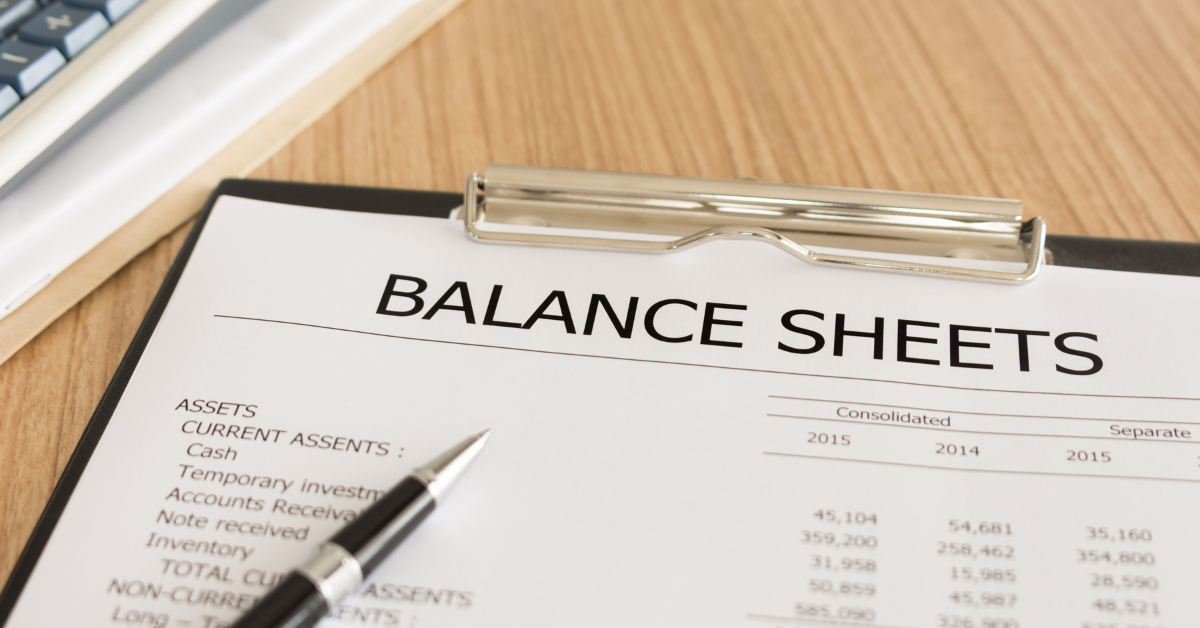
When you run a small business or work as a freelancer, understanding your financials often feels like deciphering a secret code. But it doesn’t have to be. Think of the balance sheet as a snapshot of your business at a specific moment in time. It’s not about what happened over a month or a year; it’s a picture of what your business owns, what it owes, and what’s left for you, the owner.
Business Financial Snapshot
What it shows
A balance sheet gives you an immediate look at your business’s financial health. It details your assets (what you own), your liabilities (what you owe), and your owner’s equity (your stake in the business). It’s one of the core financial statements used in accounting, alongside the income statement and the cash flow statement.
The balance equation
The entire balance sheet revolves around one fundamental truth:
Assets = Liabilities + Owner’s Equity
This accounting equation must always balance, providing a critical self-check on your financial records. If it doesn’t balance, something is wrong.
Key Insights for Owners
To truly grasp your financial health, you don’t need to be an accountant. Here’s a straightforward framework to quickly analyze your balance sheet:
- Spot the Big Three: Locate your total assets, total liabilities, and total owner’s equity. These are your business’s core vital signs.
- Assess Stability: Look at your asset-to-liability ratio. For US small businesses, a healthy current ratio is generally between 1.5 and 3, according to recent guidance (Fiskl). This means your current assets can comfortably cover your short-term debt. You also want to see steady or growing owner’s equity, indicating your stake in the business is increasing.
- Future Action: Based on your assessment, what’s next? Are you ready for growth, a new business loan, or do you need to address specific debt and optimize resources?
Assets you own
These are resources your business controls that have economic value. For freelancers and small businesses, assets might include:
- Cash in your business bank account
- Accounts Receivable (money clients owe you)
- Equipment (computers, cameras, tools)
- Inventory (if you sell physical products)
- Prepaid expenses (like insurance premiums paid in advance)
Debts and obligations
Liabilities are what your business owes to others. These are your obligations that need to be paid in the future. Common liabilities for small businesses include:
- Accounts Payable (money you owe vendors or suppliers)
- Credit card debt
- Business loans
- Deferred revenue (money received for services not yet delivered)
- Salaries payable (wages owed to employees)
When You Need This Report
Ignoring your balance sheet is a common pitfall. This report isn’t just for tax season; it’s a dynamic tool for strategic management and securing opportunities.
Understanding your health
The balance sheet gives you the clearest picture of your solvency – your ability to pay your debt in the long term. By regularly reviewing it, you can identify trends, manage cash flow more effectively, and proactively address potential issues before they become crises. This proactive approach supports sustainable growth.
Funding and taxes
If you’re looking for funding, like a business loan or grant, your balance sheet will be one of the first documents lenders request. In 2024, approximately 21% of US small-business loan applicants were denied, a figure that climbed to 26% for firms with 1-4 employees. The most common reason for these denials was “borrower financials,” specifically poor financial records (washingtoninformer). A clear, well-maintained balance sheet directly addresses this, demonstrating your business’s stability and financial responsibility.
For tax purposes, accurately tracking assets and liabilities helps ensure you claim appropriate deductions and accurately report your business’s value.
Common Balance Sheet Myths
It’s easy to get tangled in financial jargon. Let’s clear up some common misconceptions.
Not profit or cash
The balance sheet is not your profit and loss (P&L) statement or your cash flow statement.
- The P&L shows your revenue and expenses over a period, indicating profitability.
- The cash flow statement tracks the actual movement of cash in and out of your business.
- The balance sheet is a static picture of what you own and owe at a single point.
All three are distinct and crucial for a complete understanding of your financial health.
Always needing an expert
While professional accountants are invaluable, understanding your balance sheet doesn’t always require hiring a dedicated expert. With the right tools and a basic framework, you, the small business owner or freelancer, can generate and interpret this report yourself for day-to-day decision-making. Focus on the Business Health Check-Up Framework to maintain a dynamic view of your financial health.
Understanding your business’s financial standing doesn’t have to be a confusing annual chore. Knowing what your balance sheet truly tells you empowers you to make smarter decisions, secure funding, and navigate your growth with confidence. Platforms like Fyno help transform your messy financial data into clear, real-time reports, with an AI bookkeeper agent available 24/7 to explain your business health in natural language, so you always have the insights you need at your fingertips.
Leave a Reply